- Document the store routine before selecting observation periods.
- Describe visible activity and record each view's limits.
- Test the contact handoff before coverage starts.
Describe how the store is supposed to operate
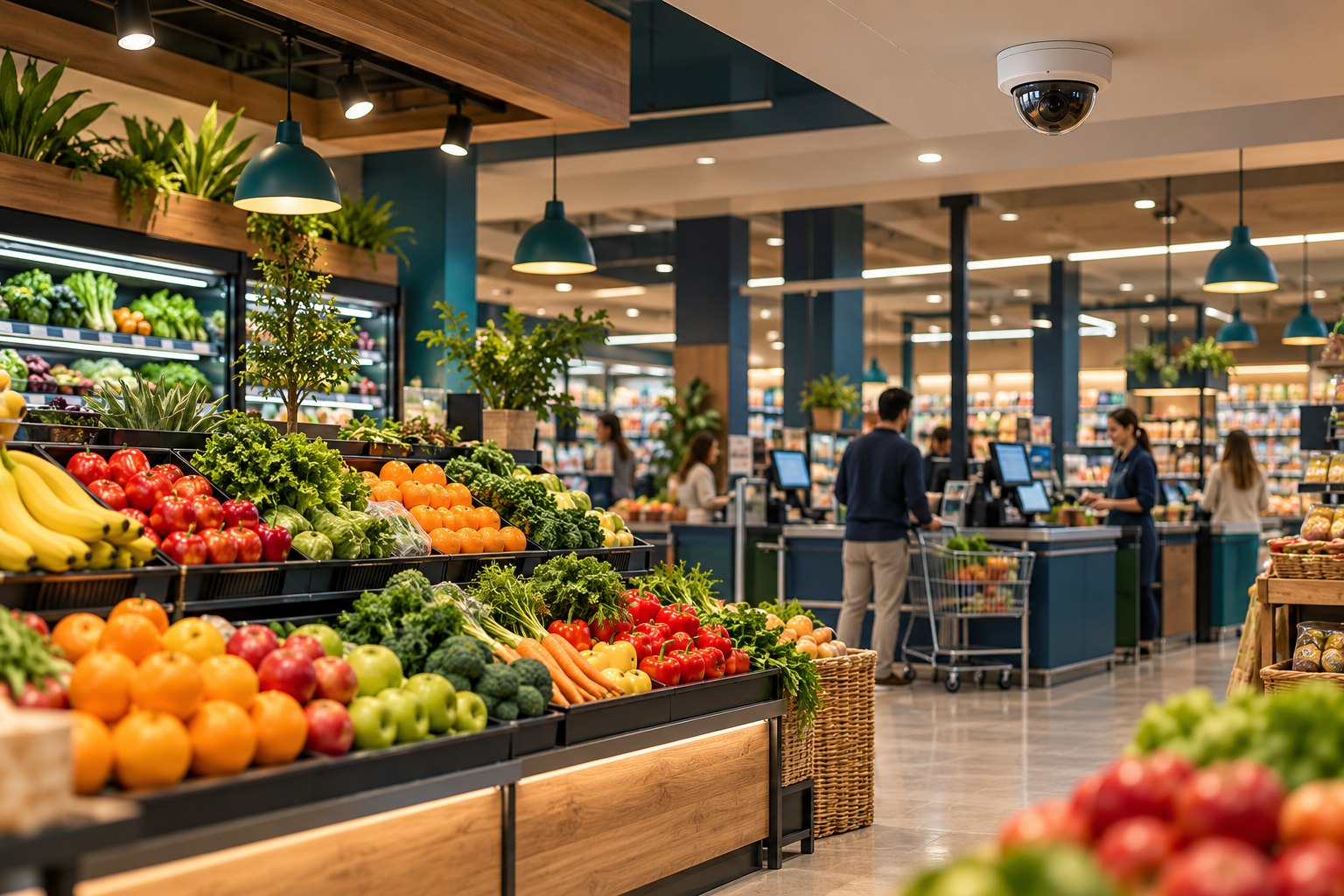
Begin with the store's daily routine. Record when customers can enter, when replenishment happens, which doors staff use and when the premises should be empty. Include cleaning visits and temporary closures. A camera image becomes more useful when the observer knows what activity is expected at that time.
Give one person responsibility for keeping this operating plan current. A changed delivery window or maintenance visit should reach the monitoring team before the activity starts. Otherwise, an ordinary visit may generate an unnecessary call, while an outdated assumption may delay a useful one.
Assign a purpose to each approved view
Walk through the available camera views with the provider and agree which ones are approved for monitoring. Label them in terms a store contact will understand: front entrance, checkout approach or rear stockroom door. For each view, write the specific question it can help answer.
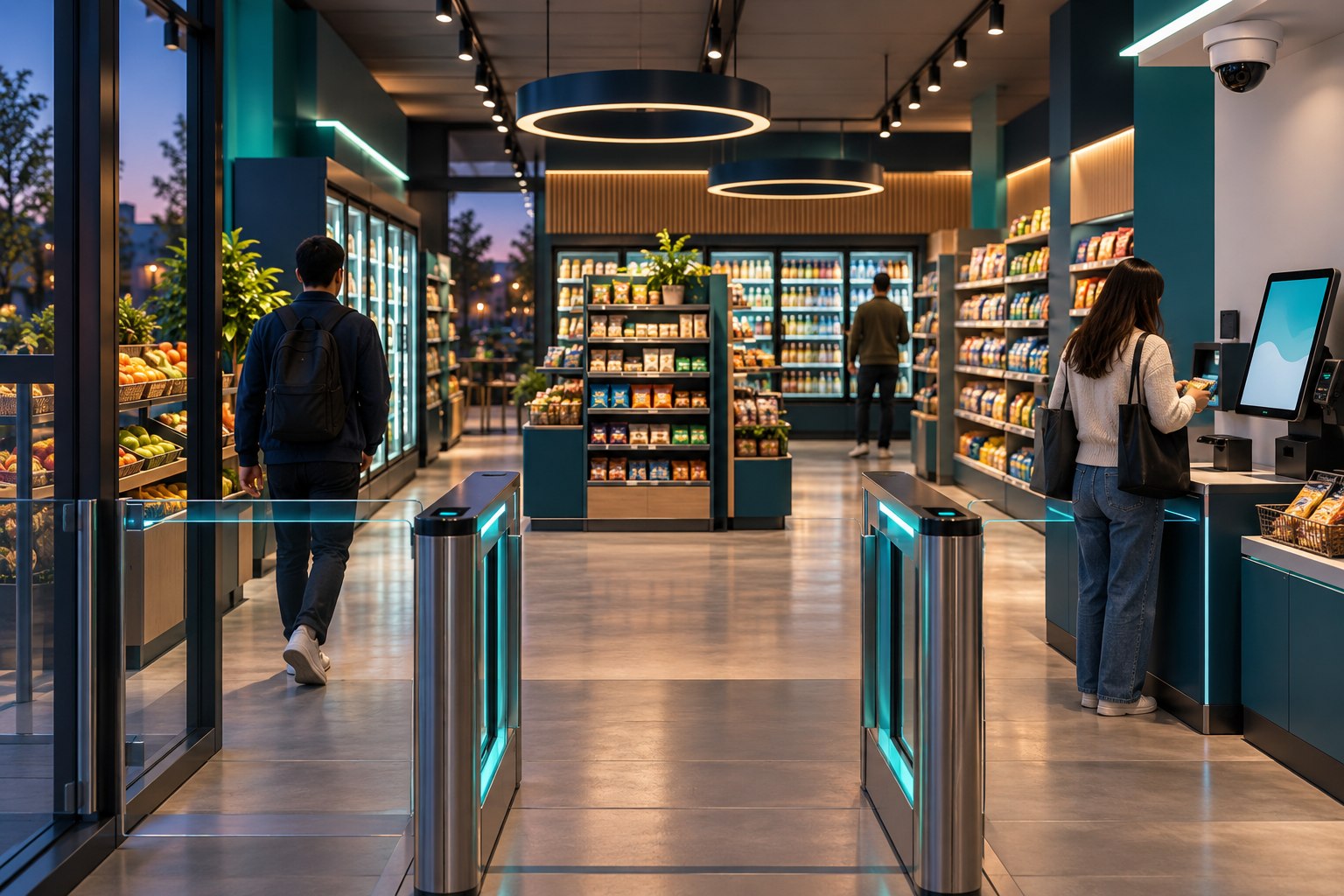
An entrance view might show whether someone has arrived during a closed period. A checkout view might provide context around a request for assistance. Neither view should be treated as proof of what occurred beyond its visible area. Record blind spots, obstructions and any places deliberately excluded from observation.
Turn concerns into observable instructions
Avoid instructions such as 'watch for suspicious people.' They leave too much to interpretation. Describe activity instead: a person remains inside after the scheduled closure, repeated pulling at a closed entrance, or an obstruction appears across an approved doorway view. Define what the observer should check before contacting someone.
Keep the instructions proportional to the information available. Video alone may not establish whether a purchase completed, an access credential was valid or someone had permission to enter. If those questions matter, identify who can verify them through the store's own systems.
Make the contact plan usable during the shift
List a primary contact, a backup and the agreed next step if neither responds. Specify which situations call for an immediate notification and which can appear in a routine report. A contact name without an available phone number, coverage window and decision responsibility leaves the handoff incomplete.
The store should also identify who handles customer assistance, access problems and urgent site decisions. Monitexa's role is human-led observation of approved views, verification within that scope, contact according to the agreed plan and reporting. Do not assume a notification includes physical intervention or emergency dispatch.
Match the service to the operational question
Live monitoring and playback review serve different purposes. A live observation period supports notifications while agreed coverage is active. Reviewing recorded footage helps reconstruct a known period after the event. Choose the approach around when the store needs information and whether somebody can act on it.
Define the hours and views needed before discussing a commercial scope. Include any reporting expectations and the process for adding temporary coverage. Consult the current pricing page for service information, and discuss larger camera arrangements individually instead of assuming every camera needs the same attention throughout the day.
Run a short operational rehearsal
Before starting, rehearse a few ordinary scenarios: an approved late cleaner, a customer still inside near closing and an unavailable first contact. Confirm that camera labels make sense, the schedule is accessible and messages contain enough context for the recipient to decide what to do.
Review the first reports with the store team. Look for repeated uncertainties, missing schedule updates and views that do not answer their intended questions. Use those findings to refine the plan. Monitoring can support awareness and response decisions; its usefulness depends on a store operation ready to receive and use that information.