- Use different instructions for trading, deliveries and closure.
- Keep receiving and closing decisions with authorized store staff.
- Report visible facts with a location, time and clear contact route.
Start with the store's daily transitions
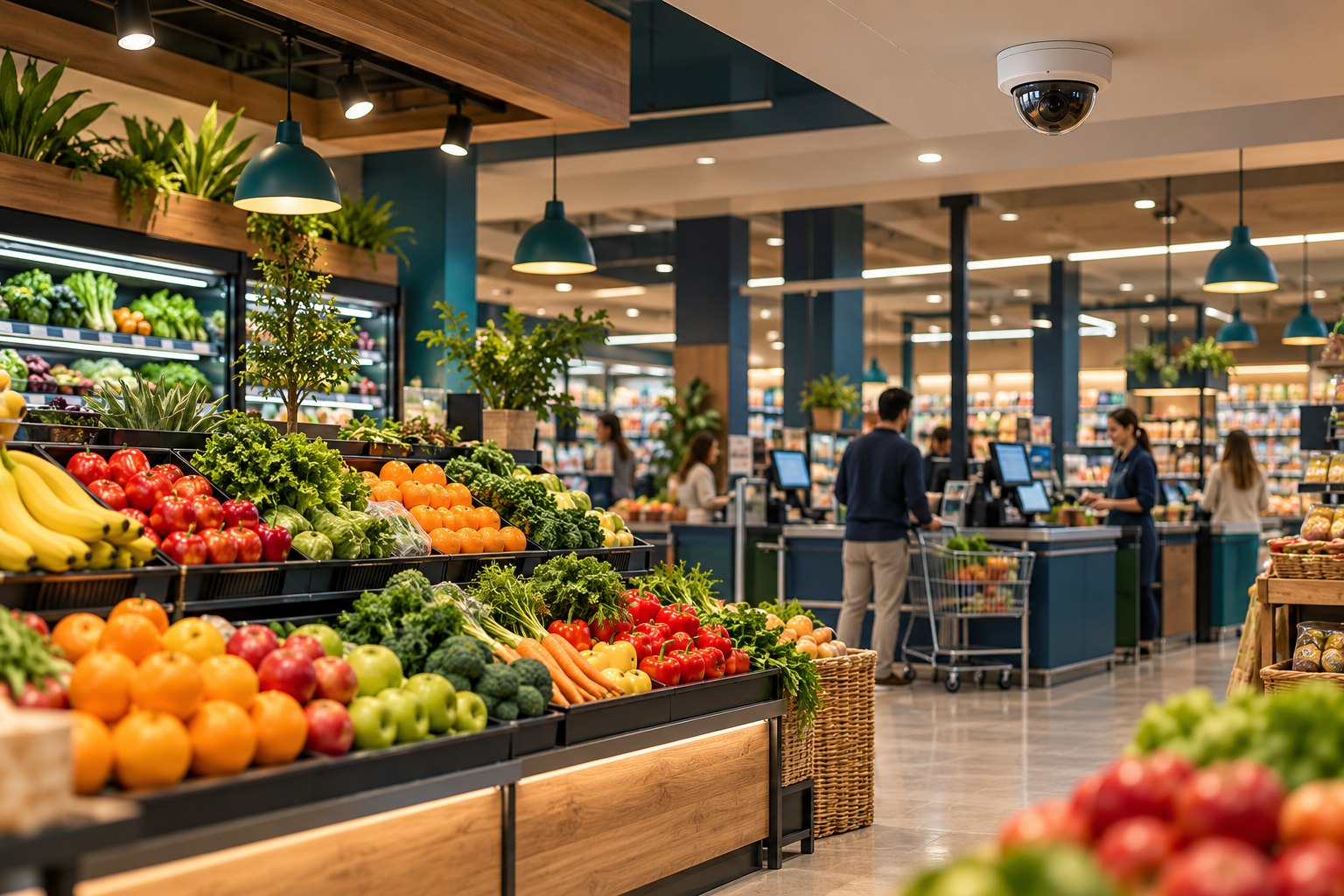
A grocery store changes character during the day. Before opening, a person at the rear entrance may be part of a scheduled delivery. During trading hours, the same area may need a different contact route. After closing, the observer needs to know whether cleaners or replenishment staff are still expected.
Create a simple schedule that separates opening preparation, trading, deliveries and closure. Add exceptions for holidays, stock counts and temporary works. The aim is to give observations a reliable operating context, so the store manager receives information connected to an actual decision.
Give entrance views a defined job
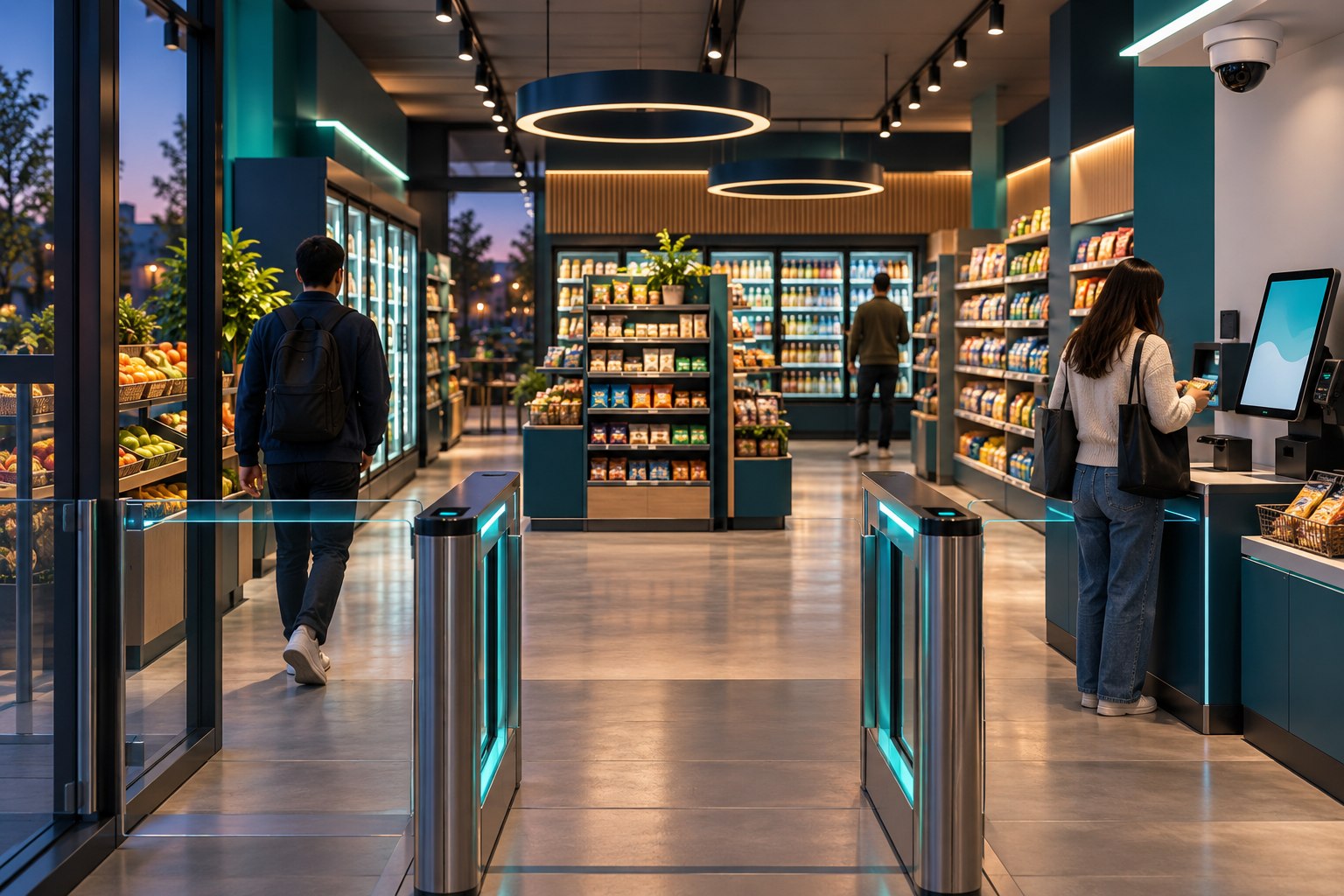
Agree which entrance views are approved and what each should help establish. Useful questions might include whether someone is waiting outside a closed entrance, whether a doorway appears obstructed or whether activity continues after the planned close. Use the store's own names for entrances in every report.
Be explicit about limitations. An image of a person moving through a doorway does not explain their purpose, and a busy scene can leave details unclear. Instructions should focus on observable actions and the checks available, rather than asking an observer to infer intent from appearance or clothing.
Connect delivery observation to the receiving team
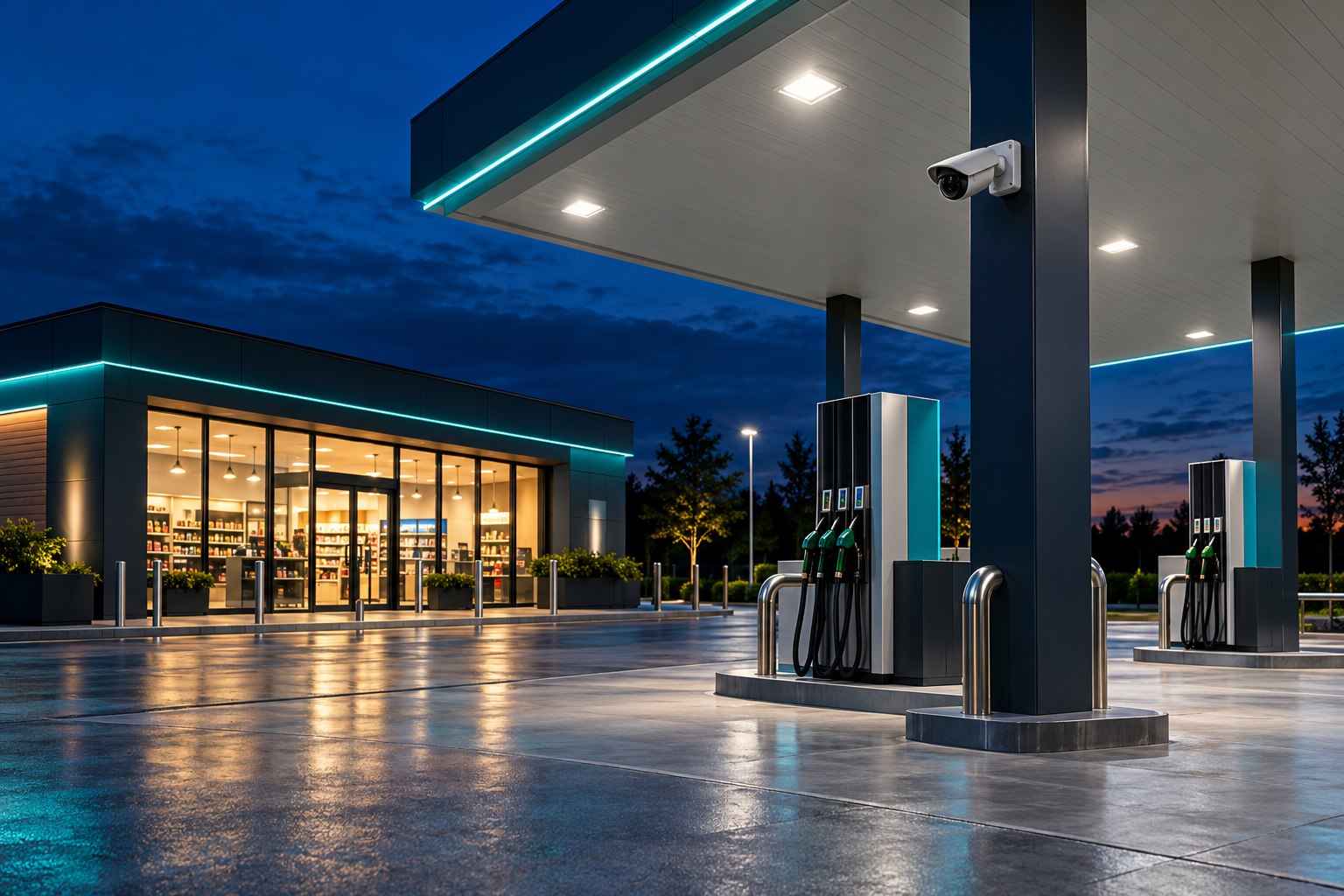
For deliveries, specify expected windows, the relevant approved views and the receiving contact. Decide what should happen when a vehicle arrives outside its window, a driver waits without a visible handoff or a receiving door remains open beyond the store's agreed operating instructions.
Keep the remote role separate from the receiving decision. Camera observation may provide arrival context, but the authorized store team confirms the delivery, checks paperwork and decides whether to accept goods. If a change of vehicle, supplier or timing matters, the receiving team must supply that information through the agreed channel.
Treat closing as a sequence of handoffs
Closing is more useful as a short sequence than as a single clock time. Record when customer access ends, which staff remain, when the final authorized departure is expected and who confirms that the routine is complete. Update the plan when the closing team needs extra time.
Identify what camera observation can contribute at each stage. An approved view might show someone remaining near an entrance or activity in a delivery area. It cannot establish that every internal task is complete. Use an on-site confirmation for responsibilities that depend on checking equipment, stock or areas outside the approved views.
Make notifications useful to the person receiving them
A useful message identifies the store, the camera location, the observation time and what was actually visible. It should distinguish an observed fact from a question needing confirmation. 'Rear entrance activity at 21:12; scheduled cleaner not confirmed' is more actionable than a broad statement that something looked wrong.
Provide a primary and backup contact for each relevant period. Agree how routine observations are reported and which events need a prompt call. Monitexa supports human-led observation, verification, agreed contact steps and reporting; the store remains responsible for assigning people who can make and carry out local decisions.
Review patterns in the process
Use early reports to improve the operating plan. Repeated late deliveries may indicate an inaccurate schedule. Frequent unanswered calls may show a contact coverage gap. An entrance that is regularly obscured may need a different approved view or a more limited observation objective.
Discuss coverage around the store's actual needs, including whether live observation or a defined playback review answers the question. Use the pricing page for current service information. Revisit the plan whenever delivery arrangements, opening hours or the closing routine change, so monitoring continues to reflect how the store actually operates.