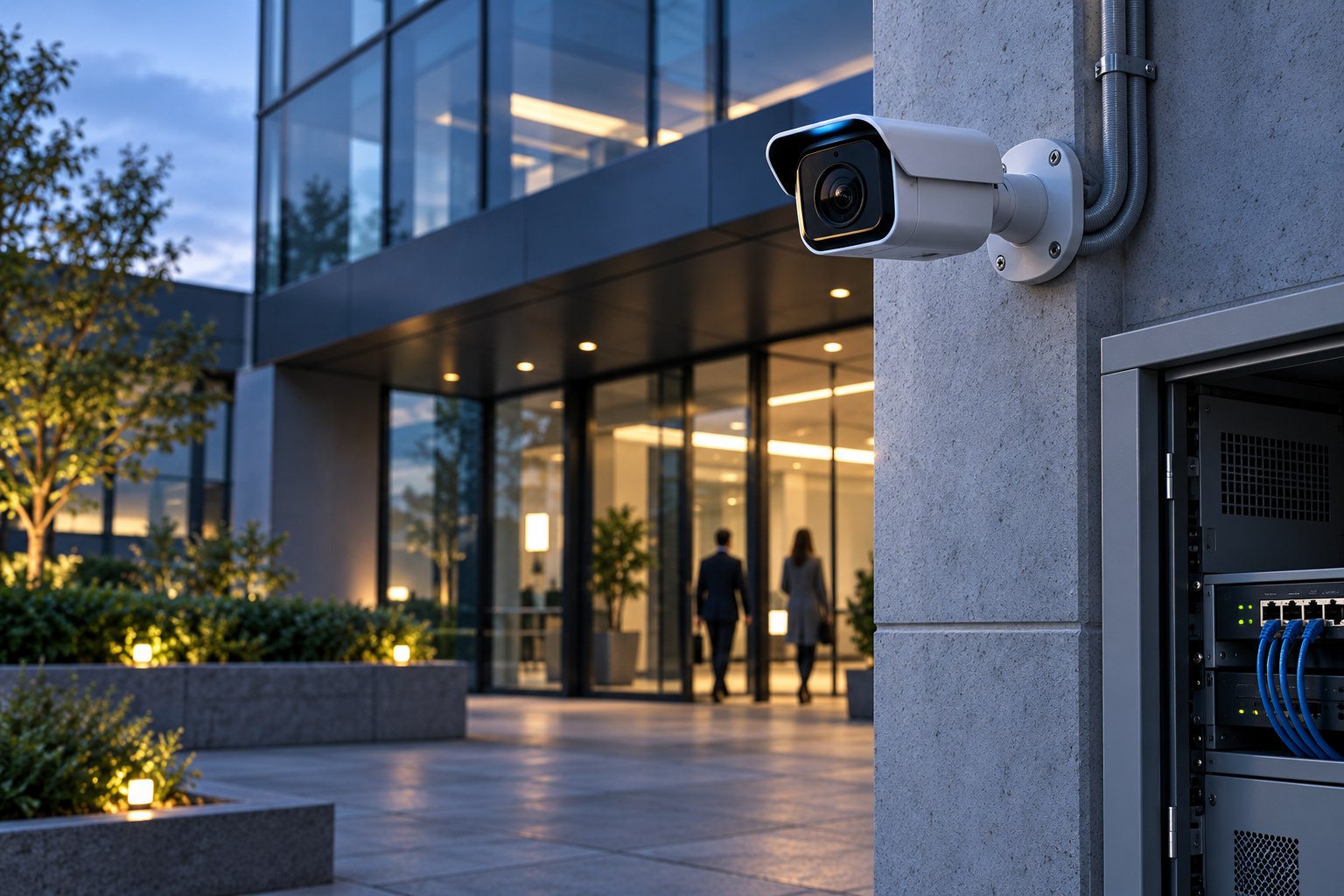

- Use approved common-area views and exclude private areas.
- Base observations on visible activity and verified context.
- Keep contacts, reporting access, and service scope clear.
Start with a specific operational purpose
An apartment monitoring plan works best when property management can explain the purpose of each approved view. A shared entrance, vehicle gate, parcel area, or communal parking area may raise different questions and require different instructions. Begin with the locations and service periods where human observation would support the property's existing procedures.
Describe the activity reviewers should pay attention to and the information management needs afterward. Avoid broad instructions to watch residents generally. A focused brief makes the service easier to assess and helps keep observation connected to a defined property management purpose.
Agree the boundaries of each view
Review the actual camera images with property management before service begins. Use planned, approved common-area views and exclude private areas from the monitoring scope. Check the edges of each frame as well as its center; a camera aimed at a walkway may also show a doorway or window that needs closer consideration.
Confirm the lawful scope and any required notices, permissions, or access arrangements with property management and its qualified advisers where needed. This is a planning step, not a statement that one arrangement is suitable everywhere. Record which views are approved and who may authorize changes.
Provide context without making assumptions about people
Share the operating details that affect interpretation: reception hours, contractor visits, move-in arrangements, maintenance activity, and temporary access changes. Date temporary instructions and include an end time. Where a gate or entrance has known operating issues, explain the current process and the person responsible for resolving it.
Ask reviewers to describe observable conduct and location. Appearance alone does not establish whether someone is a resident, visitor, or authorized worker. If authorization matters, the approved contact process should explain how it can be checked. Reports should distinguish visible facts from information supplied by management or another contact.
Build a contact plan people can use
Decide who receives routine observations and who can respond during each service period. A daytime property office number may be unsuitable for an overnight call. Include a primary contact, an agreed backup, and clear instructions for situations where neither answers. Check that every listed person understands their role.
Describe how urgent situations should be handled within the agreed service scope. Human monitoring supports observation, verification, and contact according to the plan; it does not guarantee detection or an onsite response. Keep residents' general maintenance requests and the monitoring contact process understandable to the teams handling them.
Keep reporting relevant and access controlled
Agree what a useful report should contain: the relevant time, camera or location, visible sequence, limitations, and contact actions. Include images or clips only when they serve the agreed reporting purpose and can be handled through approved methods. More footage does not automatically make a report more useful.
Property management should identify authorized recipients and the process for handling requests for footage. Avoid informal sharing through personal channels. Set expectations for storage, access, and deletion through the property's approved policies and service agreement, and confirm that the practical arrangements match those expectations.
Revisit the plan as the property changes
Review the plan after a camera adjustment, access-system change, building work, or change in management contacts. Look at the current views and recent reports to identify confusing instructions or gaps in location information. Include a way for management to raise a privacy concern and arrange a prompt scope review.
When service hours or review tasks change, confirm the revised scope and written billing basis before work begins. A clear plan should let everyone understand which common areas are included, what human review covers, and how relevant observations reach the right people.